Things to Do in Kigali in November
November weather, activities, events & insider tips
Low Season · Budget Friendly
November Weather in Kigali
Long-run averages for November
79°F (26°C)
High Temp
60°F (16°C)
Low Temp
4.8 inches (122 mm)
Rainfall
78%
Humidity
13
Sunny-Day UV
⚠ Afternoon thunderstorms can arrive suddenly with heavy rain, strong winds, and occasional lightning. Exposed hilltops and open areas in Kigali and the national parks are not safe during electrical storms. Move indoors or to lower ground when you hear thunder approaching.
⚠ Red laterite roads and steep footpaths become slippery and occasionally impassable after heavy rain. Gorilla trekking trails in Volcanoes National Park can involve ankle-deep mud on steeper sections. Waterproof boots with aggressive tread are not optional.
Making the most of November in Kigali? Browse tours and activities in Kigali on GetYourGuide.
Is November Right for You?
Weigh the advantages and considerations before booking
Advantages
- + November sits squarely in Rwanda's short rainy season. Tourist numbers stay noticeably lower than the dry months of June through September. Gorilla trekking permits, which sell out months ahead during peak season, tend to have more availability. The trails through Volcanoes National Park are quieter. You will likely share a trekking group with five or six people instead of the full eight.
- + The rains turn Kigali's hills an almost electric green. The eucalyptus-scented air after a downpour carries a clarity you simply do not get during the dusty dry months. The landscape around the city, already dramatic with its thousand hills rolling toward the horizon, looks its most photogenic. Morning light before the clouds build is soft and golden. Good for shooting the city's terraced hillsides from the viewpoints around Mount Kigali at 1,850 m (6,070 ft).
- + Accommodation pricing drops meaningfully from peak-season rates. Properties that require booking two or three months ahead in July or August often have week-of availability in November. This applies across the range, from guesthouses in Nyamirambo to the higher-end properties near Nyarutarama. You are getting the same city, the same experiences, at a fraction of the competition for rooms and tables.
- + November is harvest season for some of Rwanda's finest coffee. The farms within a half-day trip of Kigali are actively processing cherries. The smell of fermenting coffee fruit, sweet and slightly boozy, hangs over the washing stations in the hills around Rulindo and Gakenke. Visiting during active harvest means you see every stage of production. Dry-month visitors get the dormant-season walkthrough instead.
Considerations
- − Rain is a daily negotiation. Afternoon downpours tend to arrive between 2 PM and 5 PM, sometimes with startling intensity. The red laterite roads on the outskirts of Kigali turn slick and muddy. Even the paved streets in the city center can flood briefly at the low points between hills. Gorilla trekking trails in Volcanoes National Park become muddy, sometimes ankle-deep, and the hikes take longer. This is not a dealbreaker. Plan mornings as your primary activity window. Accept that afternoons are best spent under a roof.
- − Overcast skies are common. The clouds tend to settle low over the hills by midday. If your trip is short, three or four days, there is a real chance you lose one full day to heavy, all-day rain rather than the usual afternoon burst. Photographers chasing clear views of the Virunga volcanoes from the city may find them socked in.
- − Some unpaved roads to more remote destinations become difficult to navigate without a four-wheel-drive vehicle. Routes to certain trailheads and rural coffee farms that are easy drives in July require more time and care in November. Budget extra travel time. Any trip outside Kigali's well-maintained urban road network needs it.
Settled on November? Compare hotel prices in Kigali for your dates on Trip.com.
Best Activities in November
Top things to do during your visit
Ugushyingo, the short rains, hit Kigali in November. That is the Kinyarwanda name you will hear on local radio and see on community notice boards across the city. Afternoon downpours arrive like clockwork, usually between two and four. They drum hard against corrugated rooftops. Then they clear within the hour. Skies wash to a luminous pale blue. Daytime temperatures hold near 26°C (79°F). Warm, never stifling at this altitude of roughly 1,500 meters. Nights cool to around 16°C (60°F). Bring a light layer for dinner on an open terrace. Approximately 122 millimeters of rain falls across the month. Kigali's red laterite hills darken to deep terracotta. The city's famously immaculate streets take on a freshly scrubbed gleam. Wet earth and eucalyptus drift down from Mount Kigali's groves into neighborhoods like Nyamirambo and Kiyovu. Charcoal smoke from evening cooking fires mixes with it all. The rains reshape landscape and daily rhythm. Banana groves on Kigali's hillsides hang heavy with ripening fruit. Terraced slopes outside the city glow in layered greens from lime to emerald. Bougainvillea along compound walls blazes magenta against the grey sky. Locals carry compact umbrellas. They time walking errands for dry mornings. By late afternoon, motorbike-taxi riders pull beneath awnings. Engines tick as rain sheets past. Restaurants in Kimihurura and bars along KN 29 Street fill earlier than in dry months. The sizzle of brochettes cuts through cool, damp air. Goat or beef skewers turn slowly over wood coals. Fat drips and flares. For anyone considering a November visit, the green season means thinner crowds at Rwanda's headline experiences. Gorilla permits in the Virungas are easier to secure on shorter notice. Akagera's savannas host arriving migratory birds. The general atmosphere across Kigali leans quieter, more residential, more revealing of daily life than the packed July-to-September window. November rainfall is notably heavier than preceding dry months, nearly twelve times July's total. It falls in concentrated bursts rather than all-day grey. Mornings stay reliably clear for excursions.

Private Gorilla Trekking Transfer from kigali to Volcanoes N.Park
adventureThe drive from Kigali northwest to Volcanoes National Park crosses some of Rwanda's most dramatic terrain. Steeply terraced hillsides where farmers tend pyrethrum and potato fields. The air thins and cools as the road climbs toward the Virunga volcanoes. The green canopy closes overhead. This private transfer handles the logistics of that two-to-three-hour journey. Collection starts before dawn when Kigali's streets are still quiet and slick with overnight condensation. Delivery is to park headquarters at Kinigi in time for the morning gorilla trekking briefing. On the return, the vehicle waits while you trek. The transition from misty volcanic forest back to the capital is easy and unhurried.
Removes the stress of navigating unfamiliar mountain roads in the dark so you arrive at one of the planet's rarest wildlife encounters rested, oriented, and on time.
Insider tip: Request a departure by 4:30 a.m. at the latest. The briefing at Kinigi starts promptly. Arriving early gives you time to use the facilities, grab a hot coffee from vendors gathered outside the park gate, and absorb the silhouette of the volcanoes before morning clouds build.
This month: November's rains make the forest trails in Volcanoes National Park muddier and more slippery underfoot. The gorilla families tend to forage at lower elevations during wet periods, which can shorten the hiking distance required to reach them. Waterproof gaiters and a rain jacket are essential.

One Day Akagera Safari From Kigali
otherAkagera National Park spreads across Rwanda's eastern border. The landscape is utterly unlike the country's mountainous interior. Rolling savanna, papyrus-fringed lakes, and woodland shelter elephants, giraffes, zebras, and the lions and black rhinos reintroduced over the past decade. This full-day excursion departs Kigali before sunrise. It covers the two-to-three-hour drive east. The terrain flattens. The air warms noticeably. The cool highland breeze gives way to drier lowland heat. Game drives follow tracks above Lake Ihema. Hippos surface with low grunting exhalations. African fish eagles call from shoreline fig trees. Their cries carry cleanly across still water.
Rwanda's only Big Five savanna park, reachable as a day trip from Kigali, with a conservation comeback story visible in every reintroduced lion pride and rhino calf grazing the restored grasslands.
Insider tip: Bring binoculars. Sit on the vehicle's left side for the stretch along Lake Ihema. The waterbirds concentrate on the western shore. You will spot shoebill storks in the papyrus beds more easily from that angle.
This month: November's rains green the savanna and fill seasonal waterholes, drawing migratory bird species into Akagera's wetlands. The lush vegetation can make larger mammals harder to spot in tall grass. But predators often rest near the roads where the ground is drier and the sightlines are longer.

Akagera National Park 1 day Safari Experience
guided_experienceThis guided day in Akagera takes a naturalist-led approach to the savanna. The emphasis is on interpreting animal behavior and ecology rather than racing between sightings. The route winds through varied habitats. Open grassland where topi and impala graze in loose herds. Acacia woodland thick with the chatter of weaverbirds. Marshy fringes of Lake Ihema where the warm, vegetal smell of papyrus hangs in humid air. Your guide pauses not just for headline species. Look for dung beetles. Cathedral-sized termite mounds baked hard as brick. Oxpeckers methodically working a buffalo's flank. This is the connective tissue of the ecosystem. A faster vehicle would blow past it.
A naturalist-paced safari that treats Akagera as an ecosystem to interpret rather than a checklist to complete, good for travelers who want to understand what they are seeing.
Insider tip: Ask your guide to include the Mutumba Hills loop if time allows. The elevated track offers long views across the lake system where you can watch elephants moving between water sources. The breeze at the ridgeline is a welcome relief from the hotter valley floor.
This month: The November rains transform Akagera's drier zones into green corridors, and the seasonal wetlands attract European migrants, bee-eaters, rollers, and white storks arriving from their northern breeding grounds, making this one of the stronger months for birding.

Full Day Shared Akagera Safari Tour with Lunch and Coffee
day_tripA shared vehicle makes this Akagera safari more sociable. You travel with a small group. The quiet of predawn Kigali departure loosens into introductions and shared anticipation as terrain flattens eastward. The day includes a guided game drive through the park's southern and central sectors. A sit-down lunch follows at one of the designated picnic sites overlooking the lake. The smell of packed Rwandan cooking mingles with the grassland breeze. Plantains and beans seasoned with palm oil. Grilled tilapia still warm in foil. Afterward, a coffee tasting sourced from beans grown in communities bordering Akagera. The pairing grounds the wildlife experience in Rwanda's broader agricultural identity. It connects what you saw in the bush to what people living alongside it cultivate.
Pairs a full Akagera game drive with a Rwandan coffee tasting, connecting the country's conservation success to its thriving specialty-coffee culture in a single, layered day.
Insider tip: The coffee tasting happens after the safari when fatigue sets in. The caffeine is well-timed. More, ask the guide to walk you through the wet-processing method. Rwanda's washed arabica has a clean, citric brightness that differs sharply from natural-process East African coffees. Understanding the technique changes how you taste the cup.

Women-led Coffee Farm Trek
adventureThis trek climbs into steep hillside farms outside Kigali. Women-run cooperatives cultivate Rwanda's prized arabica coffee under shade canopies of banana and grevillea trees. Red-clay paths wind between rows of dark-leafed coffee plants. Your hosts, the farmers themselves, walk you through the lifecycle of the cherry. Blossom to pulped bean. They do this with practiced ease. Generations of knowledge. The trek culminates at a washing station. The sharp, fermented tang of freshly pulped coffee fills the air. You cup several single-origin lots side by side. Taste the floral and citrus notes. These have made Rwandan beans a fixture on specialty roasters' lists from Copenhagen to Melbourne.
A direct encounter with the women who produce one of Africa's most celebrated specialty coffees, on their own land, narrated in their own voices rather than through a third-party interpreter.
Insider tip: Wear shoes with aggressive grip. The farm paths are steep and slick with clay after rain. In November you will almost certainly encounter wet ground. The farmers often sell small bags of their freshest roast at the end of the trek. Bring a reusable bag if you want to carry beans home.
This month: November rains keep the coffee hillsides intensely green and photogenic. But the wet clay paths demand sturdy footwear with real tread. The farms remain fully operational year-round.

1 Day Gorilla Trekking Safari Tour
adventureThis single-day gorilla trekking expedition covers everything from Kigali hotel pickup to the trek itself in Volcanoes National Park. You climb through dripping bamboo forest and stinging nettles into misty habitat. One of roughly 1,000 mountain gorillas remains in the wild here. The hour you spend with a habituated family is governed by strict proximity rules. Watch a silverback strip celery stalks with broad, leathery fingers. Juveniles tumble through undergrowth. A mother cradles an infant against coarse black hair of her chest. The emotional closeness is immediate. It is disorienting. Damp volcanic soil squelches underfoot. Forest canopy filters light to green half-darkness. The only sounds are gorillas' low, resonant chest rumbles and steady drip of condensation from moss-draped hagenia trees overhead.
One of the most tightly controlled and profoundly affecting wildlife encounters on Earth, a single hour among mountain gorillas in the cloud forest where they have lived for millennia, facilitated by Rwanda's world-leading conservation program.
Insider tip: Fitness matters more than age. The trek can last anywhere from one to six hours depending on where the gorilla family slept the night before. November's wet trails add difficulty. Hire a porter at the trailhead. They carry your daypack. They know the terrain by feel. The fee supports the surrounding community directly.
This month: Wet conditions in November can make the volcanic forest trails steep and slippery. But gorilla families often descend to lower, more accessible elevations to feed during the rains, potentially reducing the hiking distance needed to reach them. Pack waterproof layers and gardening-style gloves for gripping wet vegetation on the steeper sections.
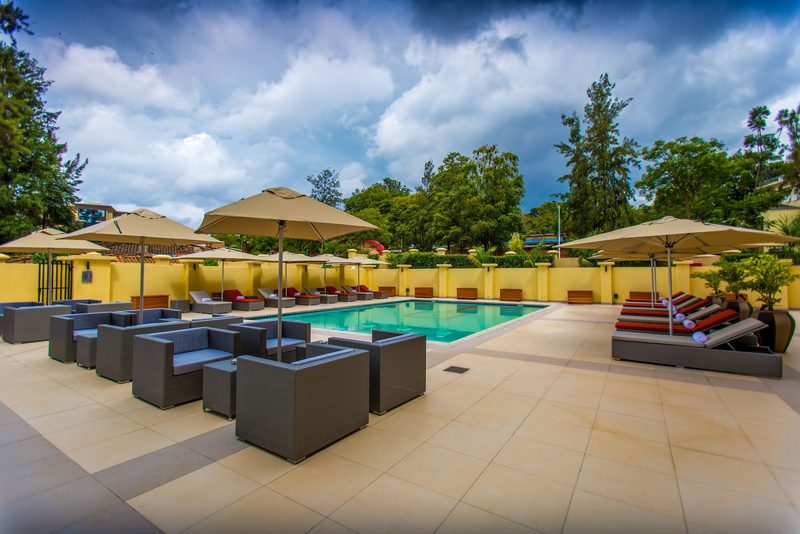
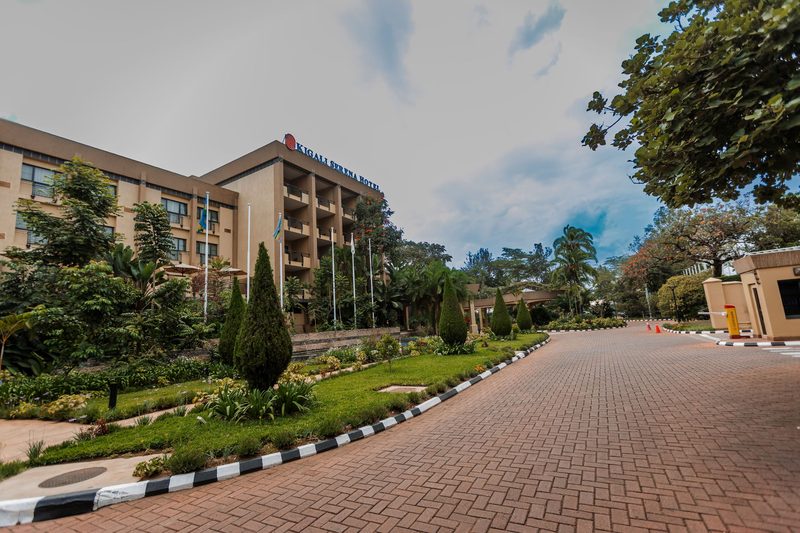
Where to Stay in Kigali in November
Hand-picked hotels across price tiers for November travellers.
Packing Checklist
Bookmark this page — your progress is saved between visits
Need the full list with shopping links?
Climate-specific gear, brand recommendations, and what to leave at home.
View Kigali Packing List →Essential Tips
Insider knowledge and common pitfalls to avoid
Insider Knowledge
Kigali sits at 1,567 m (5,141 ft) above sea level, which is high enough that the first day or two can leave you mildly winded on the steep hills if you are coming from sea level. It is not altitude sickness territory. But the combination of elevation, humidity, and hills means you will walk slower than you expect. Pace yourself on day one, drink more water than feels necessary, and save the big treks for day two onward.
November in Kinyarwanda is Ugushyingo, and knowing even a handful of Kinyarwanda words transforms interactions. Muraho (hello), murakoze (thank you), and amakuru (how are you, with the expected reply ni meza, I am fine) will get you smiles and warmer treatment everywhere from Kimironko Market to rural coffee farms. Rwandans are reserved by nature compared to East African neighbours, and a few words in their language signals effort they appreciate.
The moto-taxis, motorcycle riders in numbered vests, are the fastest way across Kigali's hilly terrain, but November's wet roads make them riskier than usual. If you take one during or right after rain, insist on slow speed, hold on properly, and skip them entirely after dark on wet roads. Ride-hailing apps work in Kigali and offer car options that are worth the extra cost in the rain.
Kimironko Market is where Kigali does its actual grocery shopping, and it is the single best place to understand the city's food culture. Go in the morning before 10 AM when the produce section is fully stocked. The avocados in November are the size of your fist and creamy enough to eat plain, and the passion fruit, tart and fragrant, is at its seasonal peak. Bring a bag since they will not give you a plastic one.
Avoid These Mistakes
Underestimating how hilly Kigali is. The city is built across multiple ridges and valleys, and what looks like a short walk on a map involves a 100 m (330 ft) elevation change each way. Distances are measured in effort, not metres. Budget time and energy accordingly, or take motos between neighbourhoods.
Planning outdoor activities for the afternoon. In November, the window between roughly 2 PM and 5 PM is rain territory more often than not. Travelers who schedule their key activities, gorilla trekking transfers and safari drives, for afternoon departures risk losing the best hours. Start everything early. Be back under a roof by 2 PM with a book and a cup of Rwandan coffee, and you will love November.
Assuming Kigali is just a stopover for gorilla trekking. Many travelers spend one night, leave for Volcanoes National Park, and fly home without exploring the city itself. This is a mistake. Kigali rewards two to three full days: the memorial, Nyamirambo, the art scene at centres like Inema, morning walks through the car-free zone, and the food. Skipping the city means missing half the story of modern Rwanda.
Short on time? See day trips around Kigali on GetYourGuide.
Ready to plan your trip to Kigali?
Now that you've got the research covered, here's where to go next.
Explore More Activities in Kigali
Didn't see anything interesting yet?
Browse Viator's full catalog of tours, day trips, food experiences, and private guides in Kigali.
See All Kigali Tours on Viator