Things to Do in Kigali in January
January weather, activities, events & insider tips
Shoulder Season · Good Value
January Weather in Kigali
Long-run averages for January
81°F (27°C)
High Temp
61°F (16°C)
Low Temp
3.3 inches (84 mm)
Rainfall
74%
Humidity
12
Sunny-Day UV
⚠ January storms hit Kigali hard. Brief but brutal. Unpaved roads flood fast. Driver visibility drops. Skip overland travel between 2 PM and 5 PM. Carry rain protection always. Morning skies lie. Pack for storms.
Making the most of January in Kigali? Browse tours and activities in Kigali on GetYourGuide.
Is January Right for You?
Weigh the advantages and considerations before booking
Advantages
- + January sits in a relative dry pocket between Rwanda's two rainy seasons. Mornings break clear over Kigali's hills. The landscape stays saturated green from October and November's downpours. You get the lushness without the worst of the rain. The green makes the red laterite roads and terracotta rooftops pop against the hillsides. Drier months simply cannot match this.
- + Gorilla trekking permits in Volcanoes National Park are easier to secure in January. Demand from European and North American summer travelers peaks from June through September. You will still need to book well ahead. The window for last-minute availability is wider. Forest trails are muddier but quieter. Fewer trekking groups means your encounter with the mountain gorillas feels less like organized tourism. It feels more like the wilderness experience it is.
- + Kigali's elevation at roughly 1,567 m (5,141 ft) keeps January temperatures mild. Lowland East Africa runs hotter. Afternoons reach around 27 degrees C (81 degrees F) but rarely push beyond that. Evenings cool to 16 degrees C (61 degrees F). You can walk the city's steep hills without wilting. You can sleep without air conditioning. Arriving from Nairobi's January dust or Dar es Salaam's coastal humidity, the relief hits immediately.
- + Coffee cherries from Rwanda's western highlands are being processed and cupped now. Several farms within a half-day trip of Kigali run walk-throughs of the washing stations. You can smell the sharp, fermenting sweetness of fresh pulp. You can taste coffees at origin that would cost a small fortune roasted and shipped abroad. Rwanda's coffee reputation has earned a real following among specialty buyers. January lets you see the tail end of that production cycle up close.
Considerations
- − January's 84 mm (3.3 inches) of rain arrives in concentrated afternoon and evening bursts. Short but fierce. Unpaved roads turn into red-clay slicks within minutes. Pedestrians sprint for cover under corrugated awnings. Outdoor plans after 2 PM need flexibility. The showers rarely last more than an hour. They can derail a tight itinerary.
- − Gorilla trekking and Akagera safari logistics from Kigali involve drives of two to three hours each way. Roads have improved dramatically over the last decade. They still narrow through hill passes where overtaking trucks demand full concentration. January rain slows these drives further. Muddy trailheads in Volcanoes National Park make the trek physically harder. You are climbing at altitude through wet bamboo forest. The footing is challenging.
- − Kigali does not stay up late. By 10 PM on a weeknight, most restaurants in Kiyovu and Kimihurura have cleared their last tables. Nyamirambo has the most energy after dark. Even there, the crowd thins. Arriving from Nairobi or Kampala expecting comparable nightlife, January Kigali feels quiet. The city's rhythm is early mornings and early evenings. Fight that rhythm and you eat alone.
Settled on January? Compare hotel prices in Kigali for your dates on Trip.com.
Best Activities in January
Top things to do during your visit
Kigali sits at nearly 1,600 metres above sea level, spread across steep green ridges that catch the light differently each hour. In January, afternoon temperatures reach about 27 degrees Celsius and mornings settle around a cool 16. That range makes the city one of the most physically comfortable capitals on the African continent. Rainfall averages around 84 millimetres for the month. Enough to send brief, hard downpours rattling across corrugated rooftops most afternoons. Rarely enough to cancel a day. By evening the clouds pull apart. The air smells of wet clay and eucalyptus. The city's thousand hills glow amber under a low equatorial sun. This is not the peak of Rwanda's rains. March and April dump nearly twice the water. So January occupies a gentler pocket, green and warm without the saturated mud of the true wet season. The pace of Kigali in January is unhurried. The city's famously clean streets, swept daily, a discipline enforced by community umuganda work since 2009, gleam darker after afternoon showers. The red laterite shoulders of the roads bleed ochre rivulets into storm channels. At Kimironko Market, vendors stack pyramids of passion fruit and tree tomatoes under plastic sheeting. The sweet rot of overripe bananas mixes with the sharper mineral scent of fresh-cut sugarcane. Motorcycle taxis, motos, whine up the steep grade of KN 4 Avenue toward Nyamirambo. Their riders wear numbered reflective vests. Passengers grip the rear rail with one hand and a phone in the other. The equatorial daylight runs almost exactly twelve hours, sunrise near six and sunset near six. The consistency gives every day a reliable shape: cool mornings suited to physical activity, warm middays, a theatrical cloudburst, then a temperate evening when hillside neighbourhoods light up in amber pinpoints and gospel choir rehearsals drift from church halls across the valleys. What January lacks in spectacle it returns in accessibility. This is not high tourist season in Rwanda. That concentration falls during the drier months of June through September. So permits, vehicles, and guides face less competition. The landscape is emphatically alive. The hillsides are blanketed in banana plantations and coffee shrubs whose leaves shine a deep wet green. The volcanic soil is dark and loamy underfoot. For travellers anchoring a trip in Kigali and radiating outward to the national parks, January's moderate weather and thinner crowds make the logistics simpler and the encounters quieter.

Private Gorilla Trekking Transfer from kigali to Volcanoes N.Park
adventureThe drive from Kigali northwest to Volcanoes National Park crosses some of the most intensely cultivated terrain in Africa. Every slope is terraced. Every terrace is planted. The patchwork of beans and sorghum and banana palms is stitched so tightly that the hills look upholstered in green corduroy. A private transfer covers the roughly two-and-a-half-hour route without the stop-start of shared transport, climbing steadily until the five Virunga volcanoes appear through the windscreen. Their summits often trail cloud even on otherwise clear days. The vehicle drops you at park headquarters in Kinigi, where rangers brief trekking groups at dawn while the volcanic soil is still cold and damp beneath your boots.
It eliminates the single biggest logistical headache of gorilla trekking, the predawn transport scramble from Kigali to Volcanoes National Park, so you arrive rested and on time for your permit slot.
Insider tip: Ask the driver to stop at the Musanze viewpoint on the descent into the town basin, where the full volcanic chain is visible on clear mornings. Afternoon cloud typically obscures at least two of the five peaks.
This month: January's moderate rainfall can leave forest trails slippery but passable, and gorilla families often forage at lower elevations during wetter months, which may shorten the hike to reach them.

One Day Akagera Safari From Kigali
otherAkagera National Park sprawls across Rwanda's eastern border, a landscape so different from Kigali's highland topography that the two-and-a-half-hour drive feels like crossing into a different country. The park protects a belt of savanna, papyrus swamp, and a chain of lakes fringed by fever trees whose bark peels in papery yellow strips. A full-day safari here puts you within range of elephant, giraffe, Cape buffalo, hippo, and, since their reintroduction in 2015 and 2017, both black rhino and lion. The sightings are made sharper by the sound of red-billed oxpeckers chattering on the backs of grazing antelope.
Akagera is the only Big Five park in Rwanda, and a single-day trip from Kigali makes it accessible without the multi-day commitment most East African safaris require.
Insider tip: Request the northern loop past Lake Shakani, where hippo pods cluster in the shallows and the birdlife, jacanas, fish eagles, malachite kingfishers, is denser than on the more-trafficked southern circuit.
This month: January's green season fills Akagera's wetlands and draws large concentrations of migratory birds, including European bee-eaters and Palearctic waders, making it a strong month for birding alongside the standard game drive.

Akagera National Park 1 day Safari Experience
guided_experienceThis Akagera itinerary emphasises the guided-experience dimension of the park. A ranger or naturalist walks you through animal behaviour, habitat zones, and conservation context rather than simply logging sightings from the vehicle. The savanna grasses in the rainy months stand tall enough to ripple in the wind like a wheat field. The experience of scanning them for the twitch of an ear or the dark bulk of a resting buffalo is more tactile, more participatory, than a dry-season drive across bare ground. The smell of sun-warmed grass and the earthy tang of lake mud carry through the open windows as the vehicle idles near a waterhole.
The guided framing transforms a game drive from a checklist into an ecology lesson, connecting each sighting to the broader story of Akagera's rewilding, one of Africa's most dramatic conservation recoveries.
Insider tip: Bring a light rain jacket that compresses small. January showers inside the park tend to be fast-moving squalls that pass in twenty minutes. An unprepared traveller in an open-top vehicle gets drenched.

Full Day Shared Akagera Safari Tour with Lunch and Coffee
day_tripThis shared Akagera tour folds in two experiences that solo-booked safaris often skip: a sit-down lunch sourced from Rwandan ingredients and a stop at a coffee-processing station on the return to Kigali. The coffee stop alone is worth the detour. Rwanda's bourbon arabica, grown at altitude in volcanic soil, produces a cup with clean citrus acidity and a caramel finish. Watching the beans move from cherry to parchment under the hands of sorters is a sensory education. The safari portion follows the park's central loop, threading between lake edges where crocodiles bask on mud banks and open plains where topi and zebra graze in mixed herds. Their alarm snorts are audible before the vehicle rounds a bend.
It packages the Akagera game drive with two of Rwanda's strongest cultural exports, its food and its coffee, in a single long day that does not require overnight logistics.
Insider tip: Sit on the right side of the vehicle during the southern lakeside stretch. The sun will be behind you in the morning, giving cleaner light for photography and reducing glare off the water.

Women-led Coffee Farm Trek
adventureThe coffee farms west of Kigali climb the same volcanic ridges that feed the country's best bourbon arabica. This trek is led by the women who grow, pick, and process it. That detail is not cosmetic but structural, since Rwandan women own a significant share of the country's smallholder coffee cooperatives. The trail winds through rows of coffee shrubs whose dark waxy leaves glisten after a morning shower. The guides demonstrate each stage of processing by hand: pulping the red cherry to reveal the sticky mucilage beneath, fermenting the beans in concrete tanks whose sour, yeasty smell is unmistakable, spreading parchment coffee on raised drying beds where the breeze carries a hay-like sweetness. The trek ends with a cupping session where you taste the difference between washed and natural process side by side.
It connects the cup of Rwandan coffee to the hands and hillsides that produced it, guided by the women whose cooperative model has reshaped rural economies across Kigali's surrounding provinces.
Insider tip: Wear shoes with grip. The laterite paths between shrub rows turn slick after rain, and January's afternoon showers can arrive faster than the forecast suggests.
This month: January falls outside the main coffee harvest window, so the trek focuses on cultivation, processing of stored cherry, and cupping rather than active picking.

1 Day Gorilla Trekking Safari Tour
adventureThis is the full gorilla trekking experience: a single day that begins with a predawn departure from Kigali, crosses the highland plateau to Volcanoes National Park, and places you within metres of a habituated mountain gorilla family in the bamboo and hagenia forest of the Virunga massif. The encounter lasts one hour. A strictly enforced conservation limit. But the weight of it is physical and immediate. The silverback sits close enough that you can hear the low rumble in his chest, smell the dense musk of his fur, and watch his fingers strip bark from a branch with an unsettling precision. The forest floor is soft and damp, thick with decomposing leaves. The mist drifts between moss-draped trunks.
Fewer than 1,100 mountain gorillas survive in the wild, split between this volcanic range and Uganda's Bwindi, and a guided hour among a habituated family is one of the rarest wildlife encounters on Earth.
Insider tip: Request assignment to a gorilla group on the lower slopes. Families like Susa or Sabyinyo tend to range higher and require steeper, longer hikes, while groups such as Amahoro or Umubano often forage at more accessible elevations, during rainier months when food is abundant lower down.
This month: January's wetter conditions often bring gorilla families to lower-altitude foraging zones in the park, which can reduce hiking time to reach them, though mud on the forest trails makes waterproof boots and gaiters essential rather than optional.
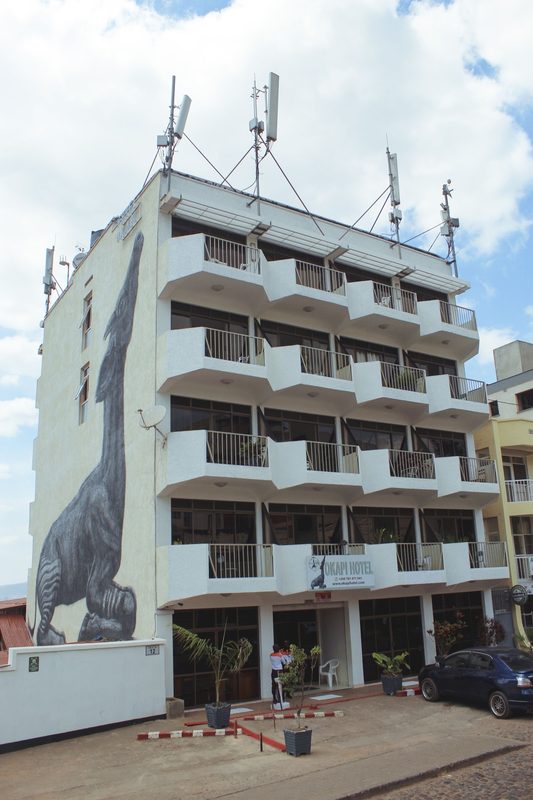
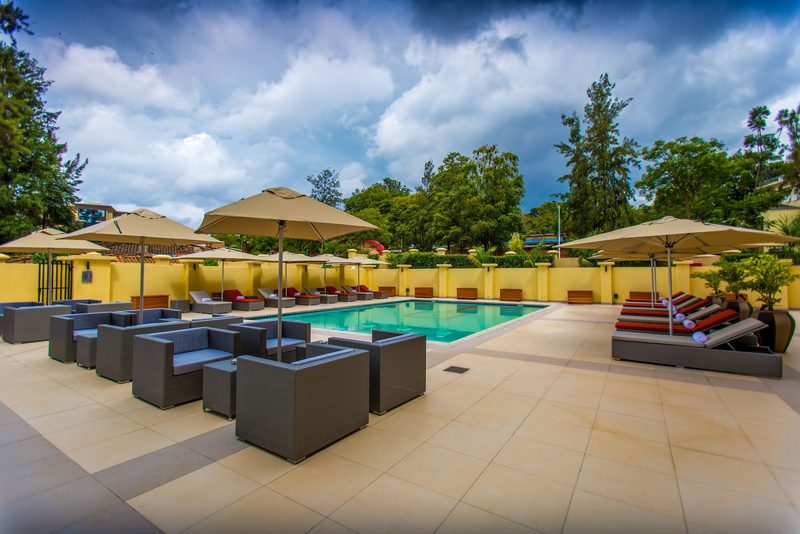
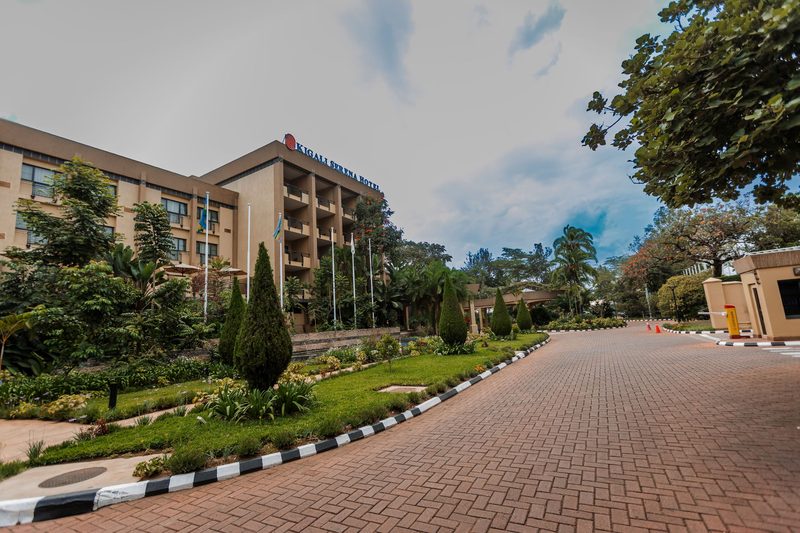
Where to Stay in Kigali in January
Hand-picked hotels across price tiers for January travellers.
Public Holidays in January
Dates that affect opening hours, transport and crowds
New Year's Day
Observed nationwide as a public holiday.
New Year's Day
Observed nationwide as a public holiday.
New Year's Day
Observed nationwide as a public holiday.
New Year's Day
Observed nationwide as a public holiday.
Packing Checklist
Bookmark this page — your progress is saved between visits
Need the full list with shopping links?
Climate-specific gear, brand recommendations, and what to leave at home.
View Kigali Packing List →Essential Tips
Insider knowledge and common pitfalls to avoid
Insider Knowledge
Kigali runs Umuganda on the last Saturday of every month. This is a mandatory community cleaning day. The entire city effectively shuts down from about 8 AM to 11 AM. Roads are closed to non-essential traffic. Shops are shuttered. You will not find transport or open businesses. If your January visit falls over that Saturday, plan an indoor morning or join in. Locals will hand you a broom and appreciate the gesture. It is one of the most revealing windows into how Rwandan civic culture works.
The motorcycle taxis, motos, are the fastest way around Kigali's hilly terrain. January's rain makes them risky on wet roads and sharp descents. Insist on a helmet. They are legally required and drivers carry a spare, though some will try to skip it. For longer distances or evening travel, car-hailing apps work reliably in Kigali and feel safer on rain-slicked tarmac.
Kigali's best food is not in its upscale restaurants catering to the NGO and conference crowd. It is in the buffet-style spots that locals call amatiku, where you point at pots of beans cooked in palm oil, stewed cassava leaves, fried plantains, and grilled tilapia, and a plate is assembled for you. The ones clustered in the lower streets of Nyamirambo serve the most honest representation of what Rwandans eat every day. The portions are enormous.
If you are booking gorilla trekking, request a family assignment based on your fitness level honestly. The park assigns you to a gorilla group based in part on difficulty of terrain. Overstating your fitness can land you on a six-hour slog through January mud at altitude that turns what should be transcendent into an ordeal. The groups at lower elevations involve shorter treks and the experience at close range is identical.
Avoid These Mistakes
Do not treat Kigali as just a transit point to the gorillas. Most visitors fly in, drive to Volcanoes National Park the next morning, and fly out, skipping the city entirely. Kigali itself rewards at least two full days. The memorial alone requires half a day to process properly. The city's food, neighborhood texture, and hillside views are worth the time. Rushing through means you see the wildlife but miss the country.
Do not pack only light summer clothes. Do not forget that Kigali sits above 1,500 m (4,920 ft). The equatorial latitude misleads people into expecting coastal heat. Evenings here are cool enough to need a proper layer. Mornings at higher-altitude sites can be outright chilly. January is not sweltering. It is spring-like. Dressing for the beach will leave you cold after sundown.
Do not use single-use plastic bags anywhere in Rwanda. The country banned them entirely. Customs officers at the airport will confiscate them from your luggage. This is enforced. Showing up with a suitcase full of plastic shopping bags creates an awkward delay at immigration. Repack everything into cloth bags or your luggage compartments before you arrive.
Short on time? See day trips around Kigali on GetYourGuide.
Ready to plan your trip to Kigali?
Now that you've got the research covered, here's where to go next.
Explore More Activities in Kigali
Didn't see anything interesting yet?
Browse Viator's full catalog of tours, day trips, food experiences, and private guides in Kigali.
See All Kigali Tours on Viator